
Health
Regulators approve $16 monthly Black Hills Energy rate hike as extra $20 surcharge looms
By Erik Svenson
Advertisement · Why this ad?
Jenna Larson has been reporting on the Fargo region for over 15 years. She graduated from North Dakota State University and began her career at The Forum of Fargo-Moorhead before joining the Bison Current network. Jenna's focus is on community events, local initiatives, and the stories that make Fargo unique.
More from Jenna →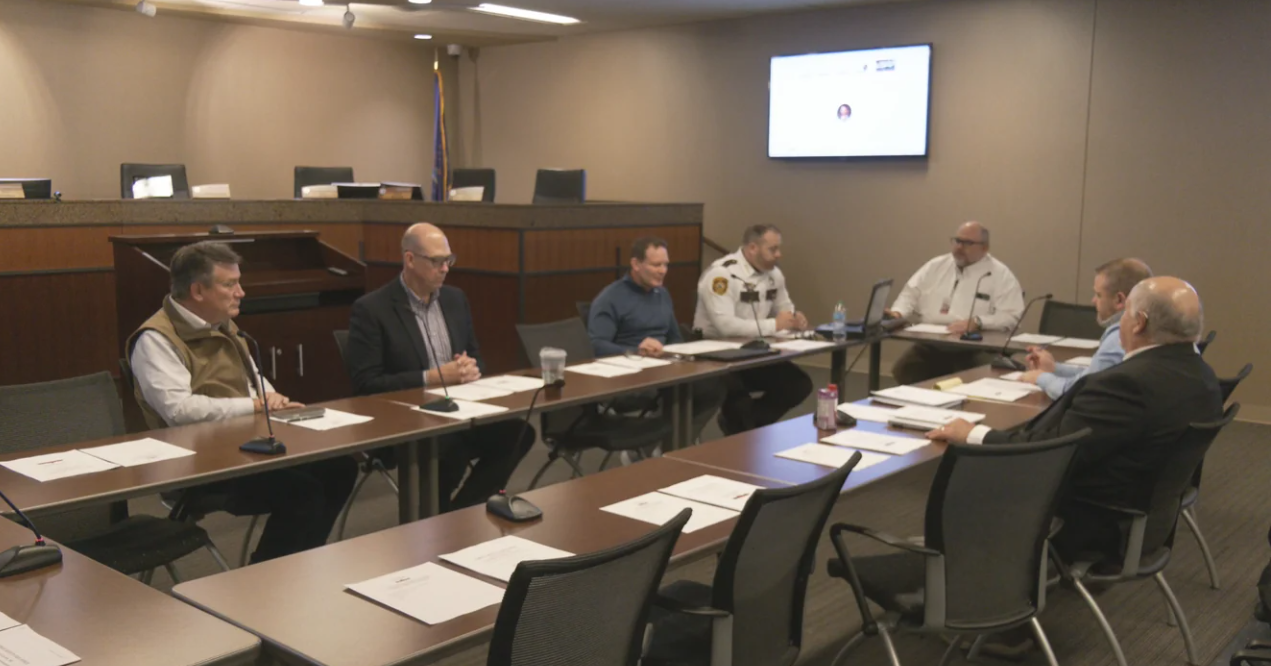
On a chilly autumn afternoon in Fargo, I watched a young mother gently soothe her crying toddler in the bustling lobby of the local health clinic. Her quiet patience and tender touch spoke volumes about the silent struggles many families face today. Behind this everyday scene lies a pressing truth: for many in Cass County, behavioral health isn’t just a personal challenge—it’s a community-wide safety issue that demands our attention and compassion.
On November 5, 2026, the Cass County Public Safety Task Force delivered a decisive report that could reshape how Fargo approaches community safety. Their findings are clear: behavioral health, not traditional crime, is the dominant public safety concern in the county. Law enforcement officers often find themselves responding to situations rooted in mental health crises—scenarios that would be far better managed by healthcare professionals and community support systems.
This revelation resonates deeply within Fargo, a city known for its resilient community spirit and growing population. Fargo's population has expanded steadily over the past decade, with a diverse mix of long-time residents, newcomers, students, and seasonal workers. The city’s healthcare infrastructure, while robust in many respects, has struggled to keep pace with the rising demand for mental health services. Local clinics, hospitals, and social service agencies have been working tirelessly to fill gaps, but systemic fragmentation persists, complicating efforts to provide seamless care.
Commissioner Joel Vettel emphasized the misallocation of resources, stating, "We end up utilizing jails and law enforcement to really deal with behavioral health issues that they’re really not designed to do." This insight echoes a broader national trend where mental health emergencies are increasingly handled by police, often with less-than-ideal outcomes. The task force’s report underscores the need for a more integrated approach—one that prioritizes community-based care over reactive policing.
One of the most significant hurdles identified by the task force is the fragmentation of mental health services across multiple organizations. Families and individuals often find themselves lost in a maze of providers, each offering different levels of care without a clear, coordinated plan. This disjointed system leaves many without the consistent, accessible support they need to navigate mental health challenges effectively.
In Fargo, local organizations like the North Dakota Department of Human Services and the Cass County Health Department have been working to improve mental health outreach, but limited funding and staffing shortages have hampered progress. Community advocates like Sarah Jensen, director of Fargo’s mental health coalition, have long called for better coordination. Jensen explains, “Many families tell us they don’t know where to turn when a crisis hits. They’re overwhelmed by the number of agencies and programs, which often don’t communicate with each other.”
Recognizing this, the task force’s recommendations include developing a comprehensive behavioral health care response model. Such a model would streamline services, ensuring that individuals in crisis receive timely and appropriate assistance. The goal is to shift from a crisis-driven response to a proactive, community-centered approach—one rooted in prevention, early intervention, and ongoing support.
This approach aligns with national best practices, which emphasize the importance of integrated care teams and community partnerships. For Fargo, it could mean creating a centralized mental health crisis hub, where law enforcement, healthcare providers, and social workers collaborate seamlessly to deliver services.
Another vital recommendation is the re-establishment of Crisis Intervention Team (CIT) training for law enforcement officers. This specialized training equips officers with the skills to de-escalate mental health crises, reducing the likelihood of unnecessary arrests or use of force. It’s a proven strategy that fosters safer interactions and better outcomes for those in distress.
In Fargo, the need for CIT training has been recognized for years. Chief of Police David Todd has publicly expressed support for expanding such programs, noting that “officers often respond to calls where mental health is a factor, but without proper training, it’s difficult to handle these situations compassionately and effectively.” Currently, only a fraction of Fargo’s officers have received comprehensive crisis intervention training, but the city aims to change that.
Commissioner Vettel highlighted the importance of this initiative, noting, “Training law enforcement to better understand mental health issues can make a real difference in how crises are handled, ultimately saving lives and preserving dignity.” The task force aims to advocate for the return of CIT training at the state legislature’s next session, seeking legislative support to fund and implement these programs broadly across Cass County.
The implications of these recommendations extend far beyond policy papers—they speak to the heart of community well-being. Families struggling with mental health issues often feel isolated and overwhelmed, yet with a coordinated approach, they can find hope and healing. The shift toward community-based solutions promises to reduce unnecessary incarcerations, ease the burden on law enforcement, and foster a safer, more compassionate Fargo.
Local organizations, faith communities, and healthcare providers are already beginning to rally around these initiatives, recognizing that strong families and authentic faith are fundamental to a resilient community. For example, the Fargo-Moorhead Mental Health Alliance has been advocating for better crisis response systems and increased funding for mental health services. Their upcoming community forums aim to gather input from residents, ensuring that policies reflect the community’s needs.
As the county prepares to present these recommendations to the state legislature, residents can take pride in knowing that their safety is being addressed with compassion and foresight. The community’s voice will be vital in shaping policies that truly meet the needs of those most vulnerable. Public meetings and forums scheduled in the coming months will serve as platforms for residents to share their experiences and suggestions.
The success of this initiative hinges on sustained commitment and collaboration. The county’s leadership is optimistic that with proper funding and legislative support, Fargo can become a national model for integrated behavioral health and public safety. The local government has already begun exploring partnerships with regional hospitals like Sanford Health and Essentia Health, both of which have been expanding their mental health programs.
Furthermore, Fargo’s university community, including North Dakota State University, is poised to contribute through research, training, and community outreach programs. Dr. Laura Jensen, a professor of social work at NDSU, emphasizes the importance of academic-community partnerships: “Universities can play a critical role in developing innovative solutions, training future mental health professionals, and evaluating the effectiveness of new programs.”
Community leaders are also advocating for increased funding through state and federal grants, aiming to establish a sustainable infrastructure for mental health care. The upcoming legislative session will be pivotal, with advocates pushing for policies that allocate resources toward crisis stabilization centers, mobile crisis units, and expanded mental health staffing.
In the long term, Fargo envisions a city where mental health is treated with the same urgency as physical health, where stigma is challenged, and where every resident has access to compassionate, comprehensive care. The community’s resilience, rooted in shared values of compassion and innovation, will be the foundation for this transformation.
As citizens, families, and officials come together, Fargo’s journey toward a safer, healthier future illustrates what is possible when a community unites around a common purpose. The path forward is clear: prioritize mental health, foster collaboration, and lead with empathy. The coming months will reveal how these plans take shape, but the community’s resolve is already evident.
By Erik Svenson

By Emily Chang

By Lillian Becker

By Emily Chang