
Technology
AI, data-center stocks slip as Democratic sweep clouds expansion plans
By Lila Johnson
Advertisement · Why this ad?
Erik Svenson is a passionate arts journalist with over five years of experience in cultural reporting. He graduated from Minnesota State University and has worked for various arts publications in the region, highlighting local artists and events.
More from Erik →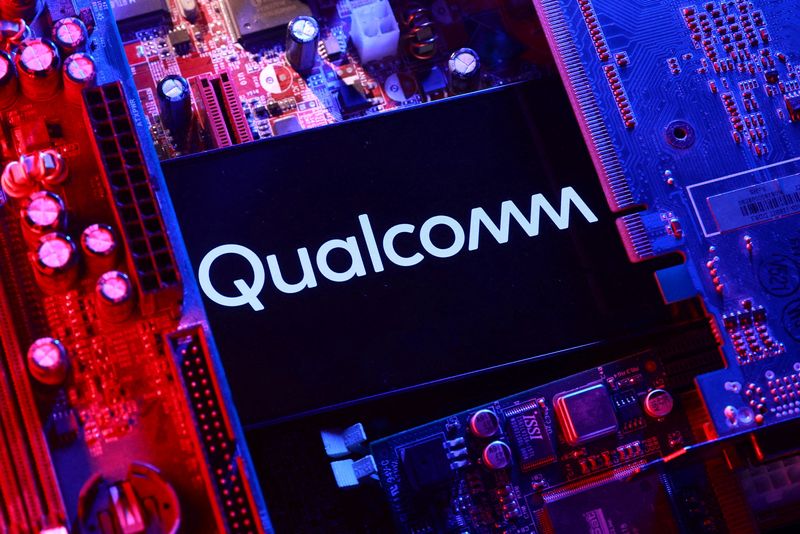
As the sun began to rise over the bustling city of Fargo, a palpable tension hung in the air for tech enthusiasts and investors alike. The morning of November 5th saw Qualcomm, a titan in the semiconductor industry, facing a daunting reality: its shares plummeted by approximately 9% in premarket trading. This drop was not merely a blip on the radar; it signaled a potential loss of $17.5 billion in market value, a stark reminder of the volatility that permeates the tech landscape. The cause? Disappointing smartphone chip sales that fell short of Wall Street's expectations, raising serious concerns about the company's core business.
Qualcomm's latest quarterly report painted a picture of a company caught in a double bind. On one hand, the demand for memory chips has surged, driven by an insatiable appetite for data-center capabilities, yet on the other, the smartphone market is showing signs of fatigue. The chip designer's largest business segment, the handset division, reported a staggering 26% decline in revenue, dropping to $5.14 billion. This downturn contributed to an overall 8% decrease in chip segment sales, which totaled $9.02 billion.
CEO Cristiano Amon, speaking to Reuters, attempted to shed light on the company's strategic foresight. “Unlike some other companies, we saw the memory shortage coming and prepared for it early,” he stated, emphasizing Qualcomm's proactive measures in a market rife with challenges. However, the optimism surrounding Qualcomm's foray into data-center and automotive chips remains tempered by the reality of a sluggish smartphone market and rising costs.
The juxtaposition of Qualcomm's struggles in its traditional handset business against its ambitions in emerging sectors like AI and data centers creates a complex narrative. As the company pivots towards these growth areas, it faces skepticism from analysts, particularly regarding its ability to sustain momentum in a rapidly evolving marketplace. The sentiment is clear: while Qualcomm is positioning itself for long-term success, immediate results are lacking.
The implications of Qualcomm's performance extend beyond the confines of boardrooms and trading floors; they ripple through the communities that depend on the tech industry for economic vitality. In Fargo, where tech innovation is increasingly becoming a cornerstone of the local economy, the news of Qualcomm's struggles has sparked a mixture of concern and cautious optimism.
Local tech entrepreneurs and startups, many of whom rely on the semiconductor supply chain, are watching closely. The University of North Dakota's College of Engineering & Mines is fostering a new generation of engineers and technologists, and the health of companies like Qualcomm directly impacts job creation and innovation in the region. As one local entrepreneur noted, “We are all interconnected. Qualcomm's challenges could mean tighter supplies or increased costs for us, but it also reminds us of the importance of diversifying our tech capabilities.”
The broader implications for Fargo's economy are significant. With Qualcomm's stock price volatility, local investors and tech enthusiasts are left grappling with uncertainty. The city's Chamber of Commerce has been proactive in addressing these concerns, emphasizing the importance of resilience and adaptability in the face of industry shifts. “We believe that while Qualcomm is experiencing challenges, the tech sector in Fargo is robust and continues to grow,” said a representative from the Chamber.
Moreover, the community's response underscores a collective commitment to fostering innovation and collaboration. As tech companies in Fargo rally together, there is a sense of urgency to leverage local talent and resources to mitigate the impact of larger market fluctuations. The message is clear: while Qualcomm's immediate outlook may be clouded, Fargo's tech scene is determined to forge ahead.
Local tech meetups and networking events have seen an uptick in attendance as entrepreneurs seek to share insights and explore collaborative opportunities in the wake of Qualcomm's challenges. The Fargo tech community is rallying, with initiatives aimed at attracting startups and fostering a supportive ecosystem for innovation. The result is a vibrant dialogue about the future of technology in the region, with an emphasis on resilience and adaptability.
Looking ahead, Qualcomm's path remains uncertain but filled with potential. The company's strategic pivot towards data-center and automotive chips reflects a broader trend in the tech industry, where the demand for advanced computing capabilities continues to escalate. Yet, the question lingers: can Qualcomm successfully navigate the transition while maintaining stability in its core business?
Analysts from Morgan Stanley have expressed caution, stating, “We lack conviction in a three-year ramp in a target-rich environment for AI semis, and it’s unclear whether a foundation built on custom chips has legs as the business transitions to merchant solutions.” This sentiment highlights the challenges Qualcomm faces as it attempts to balance its legacy business with new growth opportunities.
As the semiconductor industry grapples with rising memory costs and fluctuating demand, Qualcomm's leadership will be tested. The company's ability to innovate and adapt will be crucial in determining its long-term success. In Fargo, the community watches with bated breath, hoping that Qualcomm can rise to the occasion and emerge stronger from this period of uncertainty.
The challenges faced by Qualcomm are not unique to the company; they reflect broader trends within the semiconductor industry. As the demand for chips continues to evolve, driven by advancements in AI, machine learning, and the Internet of Things (IoT), companies across the sector are grappling with similar issues. The semiconductor market is undergoing a transformation, with an increasing focus on sustainable practices and the need for innovation in supply chain management.
Industry experts suggest that companies like Qualcomm must adapt to these changes by investing in research and development, fostering partnerships, and exploring new markets. The collaboration between tech firms and educational institutions, such as the University of North Dakota, will be vital in cultivating the next generation of talent needed to drive innovation.
In the dynamic world of technology, where fortunes can shift in the blink of an eye, Qualcomm's recent struggles serve as a stark reminder of the challenges that lie ahead. Yet, amid the uncertainty, there is a glimmer of hope. The resilience of communities like Fargo, bolstered by a commitment to innovation and collaboration, offers a counterbalance to the volatility of the market.
As Qualcomm navigates its path forward, the lessons learned from this experience will undoubtedly shape its future endeavors. For the residents of Fargo, the unfolding narrative is not merely about a company's stock price; it is about the collective spirit of a community that believes in the power of technology to transform lives and drive progress. In the face of adversity, they remain steadfast, looking forward to a future where innovation thrives and opportunities abound.
By Lila Johnson
By Maya Patel

By Franklin Abbott

By Rachel Tsukamoto